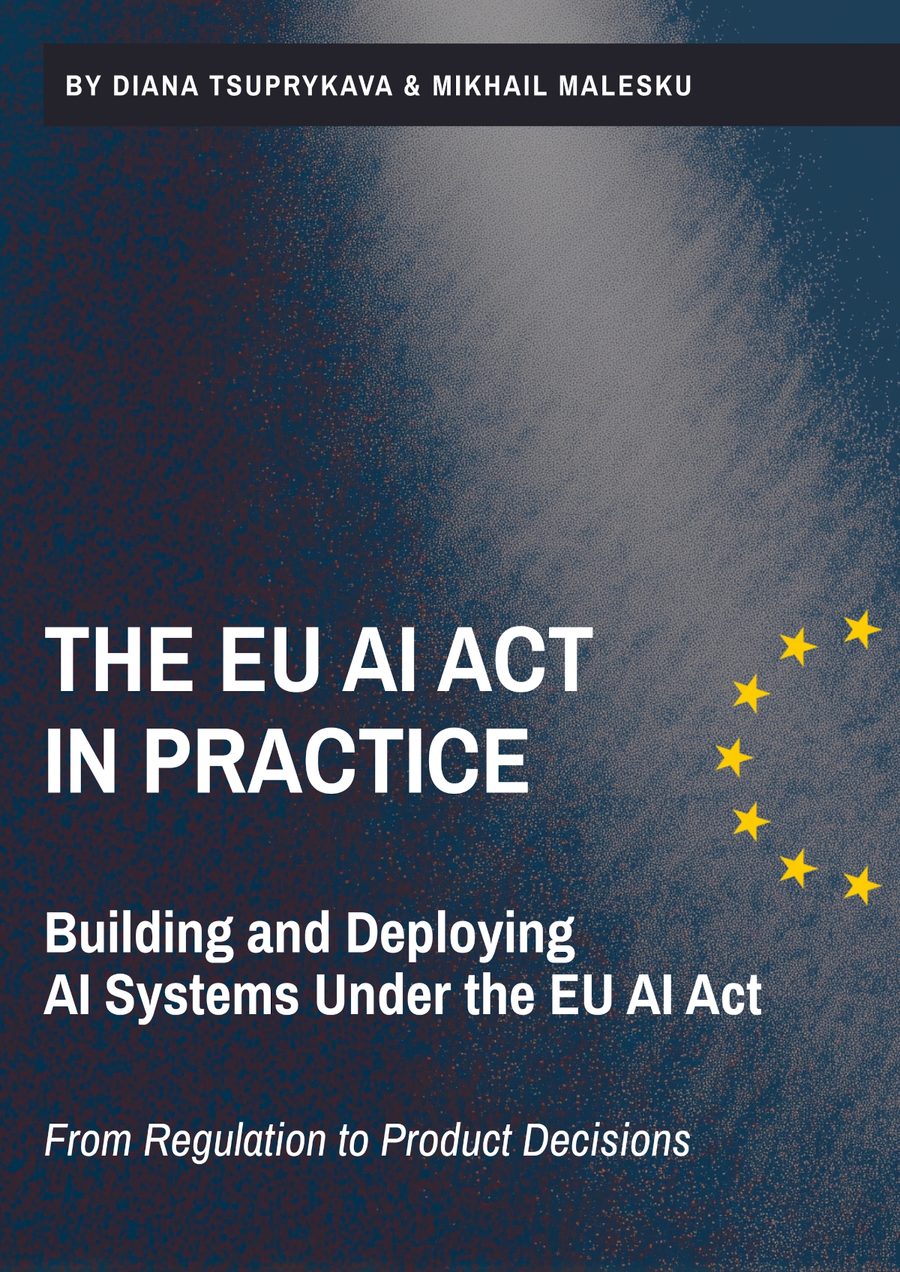
EU AI Act & GDPR Compliance
Risk-based compliance support for AI products operating in the EU - with engineering implementation, not just documents.
If you’re US/UK-based and expanding to EU customers, jump to the dedicated launch path below.
What we do
- Risk-based approach: obligations depend on how your AI is used and its impact.
- AI Act lens: we help you assess risk profile and align controls and documentation.
- GDPR lens: we map personal data exposure across training, inference, outputs, logs.
- Engineering execution: we implement controls (logging, oversight, minimization, monitoring).
Best for
- AI systems sold to EU customers
- LLMs/agents with access to data/tools
- Automated decision-making affecting users
- Teams facing enterprise procurement/security reviews
EU AI Act - how we help (practical)
We don’t paste regulation into docs. We translate it into your system design, processes, and controls.
Risk classification
Assess likely risk tier and what it implies for controls and documentation.
Governance & oversight
Define responsibilities, human oversight, change control, incident handling.
Traceability & monitoring
Logging, audit trails, monitoring, evaluation plans that fit real MLOps/LLMOps.
GDPR - how we help (for AI systems)
GDPR applies to AI at multiple stages: training data, inference inputs, outputs, and operational logs.
Data-flow mapping
Where personal data enters, how it moves, where it’s stored, who processes it.
Roles & vendor chain
Controller/processor assumptions, DPAs, subprocessors, and operational responsibilities.
Controls that matter
Minimization, retention, access control, security measures, privacy-by-design in engineering.
US → EU Launch Path (AI Act + GDPR)
If you’re US/UK-based, the hardest part is usually not “reading the law”. It’s translating EU expectations into your product, contracts, and operating model fast - without blocking shipping.
Typical US→EU pitfalls we fix
- Assuming “we’re not in the EU” means it doesn’t apply. EU users/customers and EU processing can still trigger obligations.
- Vendor + model chain ambiguity. Who is responsible for what when you use third-party models/APIs?
- Data transfer and hosting assumptions. Where data flows, where logs live, and who can access them.
- Enterprise procurement mismatch. Security/compliance questionnaires require artifacts and controls, not statements.
What we deliver for US→EU teams
- EU readiness snapshot: obligations overview based on your use cases
- Data-flow + vendor map: including model providers and subprocessors
- Implementation plan: controls backlog (logging, access, minimization, monitoring)
- Procurement pack: responses and artifacts for enterprise review (technical)
How engagements usually run
- Phase 1: AI audit (1–2 weeks)
- Phase 2: targeted compliance artifacts + governance
- Phase 3: engineering implementation (controls + product support)
- Optional: monthly retainer for release reviews and questionnaires
What we need from you
- System architecture walkthrough
- Data sources + vendor list (models, analytics, storage, monitoring)
- Key AI use cases and decision impact
- Security/compliance requirements from customers (if any)
Ready to ship in the EU?
Start with an AI audit, then implement the missing controls.